





Three Queer Films About Identity, Horror, and the Body
Three films that use genre, flesh, and fear to ask who gets to exist — from a Thai arthouse classic to a Mexican horror gem and a 1970s American cult film.
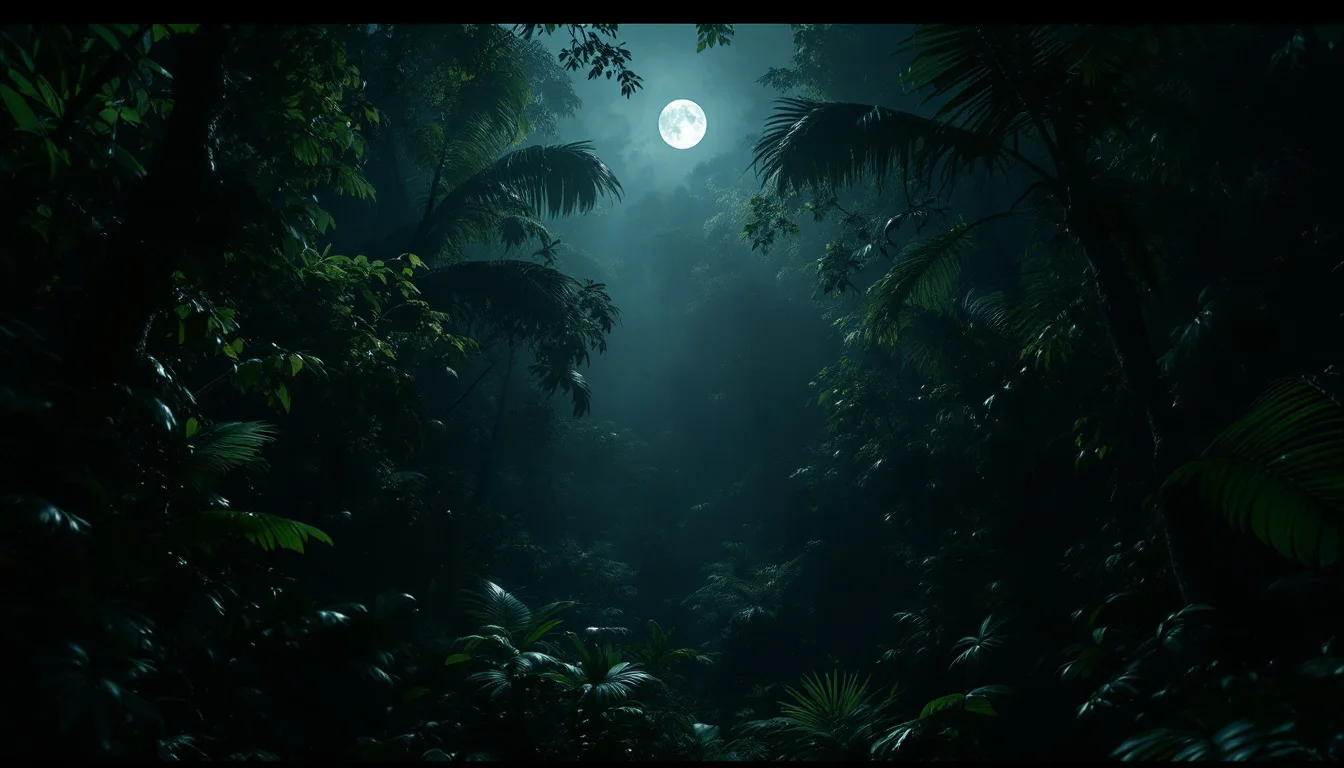
Photo: RainbowNews Editorial
Fear as a queer language
Horror and the queer body have always been linked. These three films use that connection differently. One is a Thai arthouse dream. One is a Mexican genre film with real bite. One is an American cult classic from the 1970s. Together they show how fear can be a form of queer expression. None of them are easy watches. All three are worth your time.
This week in media, the trans killer trope is back in conversation. That makes this a good moment to look at films that use horror and the body as tools — not to punish queer characters, but to explore them. If you want more queer cinema, also check out our earlier round-ups: Three Queer Films About Memory, Distance, and Longing and Three Queer Films About Crime, Desire, and Moral Ambiguity.
Tropical Malady (2004) — Apichatpong Weerasethakul
This Thai film splits in two. The first half is a gentle romance between two young men. The second becomes a jungle fable. A soldier hunts a ghost-tiger through dense forest at night. The connection between both halves is never explained.
Director Apichatpong Weerasethakul, who won the Palme d'Or in 2010 for Uncle Boonmee, works in feeling rather than plot. Banlop Lomnoi and Sakda Kaewbuadee play the two men with quiet intensity. The camera lingers on bodies, on leaves, on silence. Desire becomes something almost supernatural here.
This is not a film for every viewer. It demands patience. But for those willing to follow it into the dark, it offers something rare: a queer romance that dissolves into myth without losing its tenderness.
For who: Viewers who enjoy slow, atmospheric cinema. Fans of Wong Kar-wai or Claire Denis will recognise the tone.
Where to watch: Available on MUBI. Also available to rent or buy via various digital platforms.
This is one of the most formally daring queer films ever made. It trusts the audience completely — and that trust is well placed.
We Are What We Are (Somos lo que hay, 2010) — Jorge Michel Grau
A Mexican family mourns a sudden death. The father has died. The family must now carry on his rituals alone. What those rituals involve becomes clear slowly — and disturbs in ways that linger.
Director Jorge Michel Grau uses horror as social commentary. This is not a film about monsters in the traditional sense. It is about family duty, poverty, and what is passed down through generations. The queerness here is subtle but present. One of the children resists the family's path. That resistance has a queer charge.
The performances are controlled and deeply physical. Grau's Mexico City feels grey, oppressive, and real. There is very little gore shown directly. The horror comes from implication. That restraint makes it more effective.
For who: Viewers who like horror that thinks. This is closer to The Witch than to a slasher. Not suitable for very young viewers.
Where to watch: Available to rent or buy digitally. Check Amazon Prime Video or Apple TV for availability in your region.
This is a bold debut that deserved more international attention than it received. Grau handles dark material with real craft and intelligence.
Liquid Sky (1982) — Slava Tsukerman
New York, 1982. A small alien spacecraft lands on the roof of a Manhattan penthouse. Its inhabitants feed on the chemical produced in the human brain during orgasm. The film follows a bisexual model navigating the downtown art scene, drugs, and violence.
Director Slava Tsukerman made this Soviet-American co-production outside any studio system. Anne Carlisle plays both the female lead and a male rival in a double performance that is genuinely strange and compelling. The film's visual language — neon, glass, cold synth music — captures a specific New York underground moment just before AIDS changed everything.
The film is deliberately provocative. It does not offer easy identification with any character. But its treatment of gender as performance, of the body as a site of both pleasure and danger, feels ahead of its time. The alien gaze becomes a way of watching human desire from outside.
For who: Viewers interested in cult cinema and queer film history. Patience with 1980s pacing is useful. Contains explicit themes; not for young viewers.
Where to watch: Available on MUBI. Also available to buy on DVD and digitally through specialist retailers.
Liquid Sky is strange, cold, and genuinely original. It holds up better than most mainstream films from the same decade.
The body is always the subject
Three very different films, three very different countries, three different decades. What they share is a use of the body — as a site of desire, ritual, transformation, and danger. None of them use queer characters as victims for the audience's relief. All three take their subjects seriously.
If horror as a queer genre interests you, these three are a strong place to start. They show that the genre can carry real weight when the filmmaker trusts it to do so.